Dodge Charger R/T Buying Guide: The Numbers Behind the Hype
Every clapped-out Charger thinks it's a General Lee with a seven-figure future. The R/T badge means something, but only if the VIN and fender tag agree with the story.
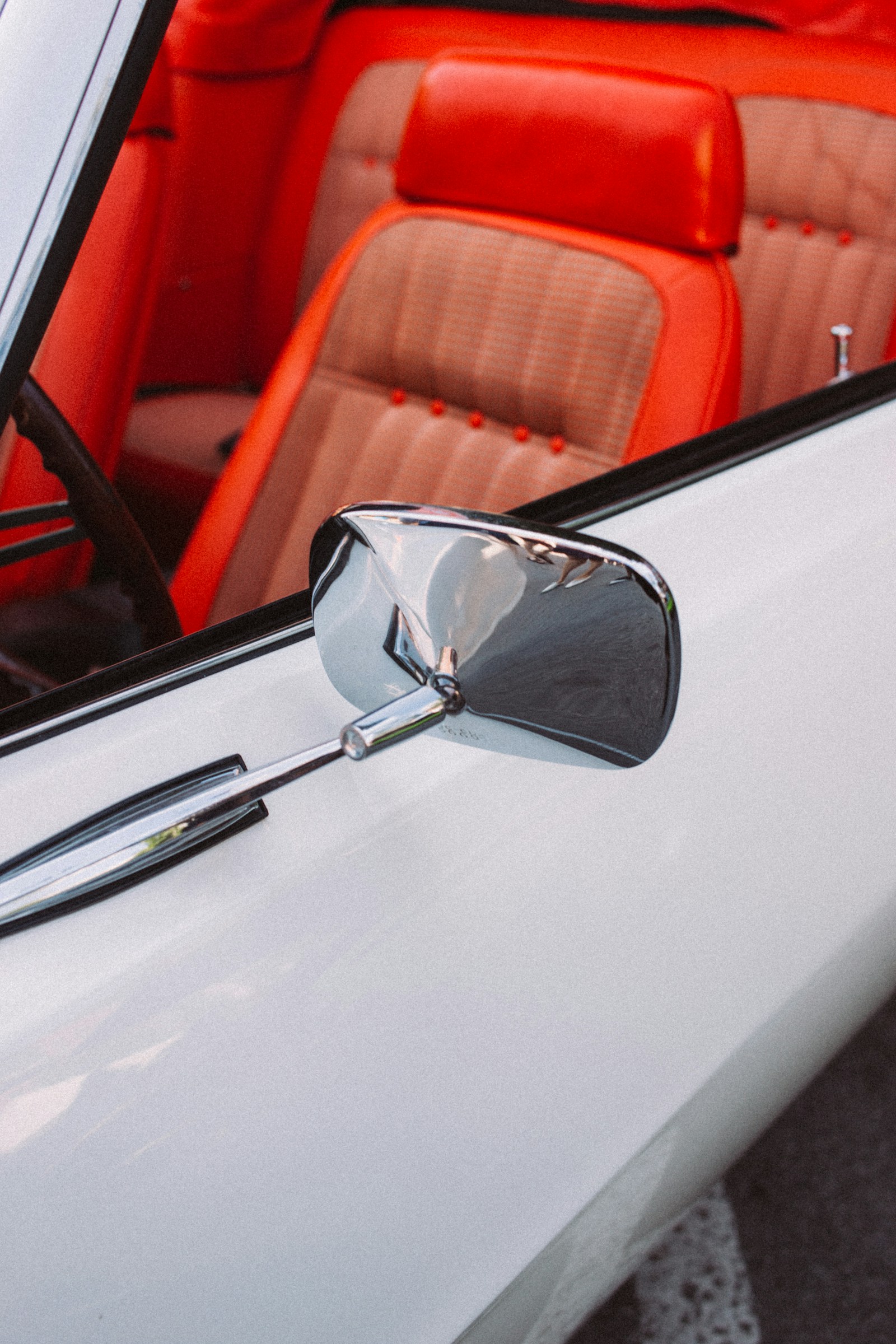
Somebody on TV drove a 1969 Charger through a fence and the whole world decided it was worth $150,000. The funny part is that production was enormous, the tooling was fine, and most of the cars that pile up at auctions are hunkered-down clones wearing an R/T badge bought on eBay.
The R/T Badge Isn't Magic
R/T packages on second-gen Chargers were mostly looks and handling kit bolted to a 440 or 426 Hemi. The V8 engines were shared across the lineup. What you're paying for is the badge, the bumblebee stripe, and the hood — parts that reproduce faster than Rabbits.
A real R/T has the VIN code, the fender tag callouts, and ideally the original build sheet. No fender tag photo in the listing? The seller doesn't want you to see it. Walk before you wire money.
Read the VIN Before the Price
Second-gen Charger VINs carry engine and assembly codes. Educate yourself on what the 8th character says before you call anyone about a car "wearing" a 440. Fender tags are reproduced and sometimes outright forged on big-money cars, so the VIN, tag, and paperwork all have to agree.
What the 1968-70 Market Actually Looks Like
- **1968 R/T, 440**: $55-85k for a solid driver with original sheet metal. Documented cars drift higher.
- **1969 R/T, 440**: $60-95k. This is the General Lee tax. The actual cars are common enough that patience wins.
- **1970 R/T, 383**: the unloved middle child, $40-60k, and honestly a better value.
- **Hemi cars of any year**: wake up and talk real money. North of $150k for anything drivable, and the parts will cost you like you own a small airline.
Stay Honest About the Rust
Charger rear quarters are enormous flat expanses of sheet metal that like to rot from the inside. A full quarter replacement with good labor runs $5-8k per side. Frames bend where the torsion bars mount. Check the radiator support and the cowl before you negotiate anything except the exit.
A 383 hardtop with a straight body is a better car than a 440 R/T wearing fresh paint over cancer. Every time.
Keep reading
1967-1969 Camaro: What to Inspect Before You Buy
First-gen Camaros turn fifty-something sellers into real estate agents real fast. Here's the inspection list that keeps you from paying 1969 prices for a 1975 rebuild.
Mustang Fastback vs Coupe: Which One Actually Holds Value
Fastbacks cost double the coupe for the same drivetrain. Sometimes that gap makes sense. Usually it's just panic. Here's the cold version of the money question.
Pontiac GTO Judge: What Matching Numbers Are Really Worth
The Judge is the only GTO where people pay twice for a sticker. Matching numbers adds real money, but only when the paperwork actually matches. Here's the breakdown.