Road Runner 383 vs 440: Cost of Ownership Today
Plymouth built the Road Runner to be loud, cheap, and fast with a cartoon bird on the back. The 440 costs more to feed in every direction. Sometimes that's worth it. Often it isn't.
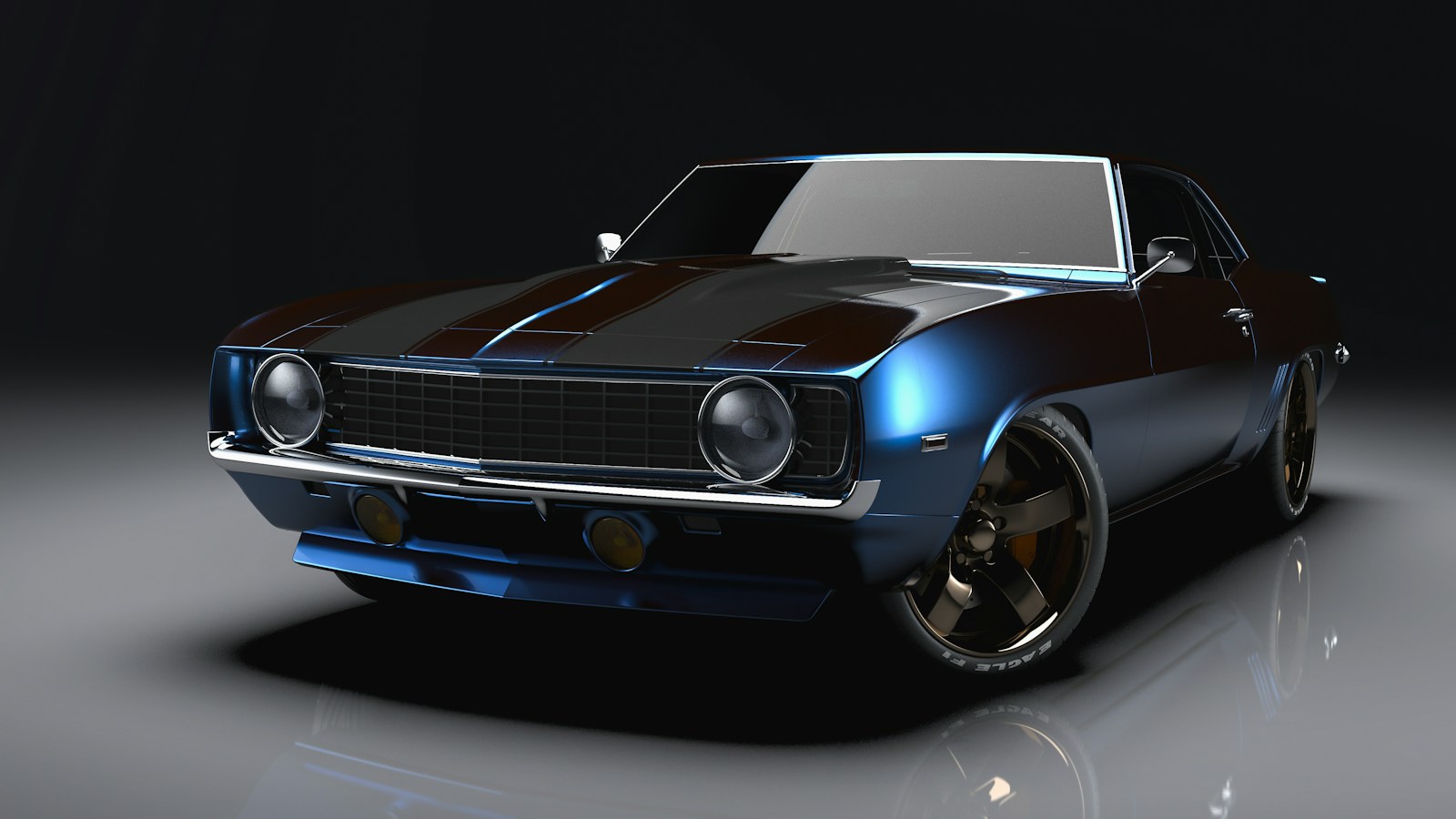
The Road Runner came into the world with a beep-beep horn, a bench seat, and no pretensions. That's why people still love it. But there's a fork in the road once you actually go to buy and maintain one: the 383 or the 440. Both are great. One is a lot less polite about your wallet.
The Purchase Price Gap
A clean, driver-quality 1969 Road Runner with a 383 starts in the mid-$30s and drifts north the shinier it gets. A 440 car, especially an original Super Bee-adjacent 440 with the six-pack package, adds $15-25k at the sales table before you even start the engine.
The 440 premium is real but it's also simple supply and demand — fewer cars left with the big block. Mechanically, both engines share the same searing drive train family, torque curves differ, and your seat-of-pants difference is a fraction of the money difference.
Gas, Tune-ups, and Feeding Time
Differences in driving costs are smaller than the difference in ego. Over 5,000 miles a year:
- **383**: cruising economy in the low teens, 93 octane even when tuned correctly.
- **440**: figure 10-12 mpg on a good day and shift your cruising range down a notch.
The hidden gap is maintenance intensity. The 440 runs hotter, hates overheating glass-smooth at traffic lights, and its exhaust manifolds are heavy enough to crack. The 383 is the friendlier roommate on long highway trips.
The Parts Reality
Everything for both engines exists aftermarket, which is the great gift of the Mopar tax you're already paying. Expect:
- Rebuild of either: $6-8k with standard parts, $10k+ with performance internals and heads.
- A six-pack setup (3x2 intake, carbs, linkage): $3-5k by the time you're done.
- Basic bolt-ons: same list, same prices.
Which Should You Buy?
Buy the 383 if you want to drive the car, grin at the horn, and not babysit a temperamental pig. Buy the 440 if you want the big-block story, the heavy torque, and you don't flinch at the crown of the six-pack.
Neither is a financial mistake if you buy at driver prices and keep it real. Both are a mistake if you pay matching-numbers money for a car with clone stickers and a rebuilt tag you can't trace.
Keep reading
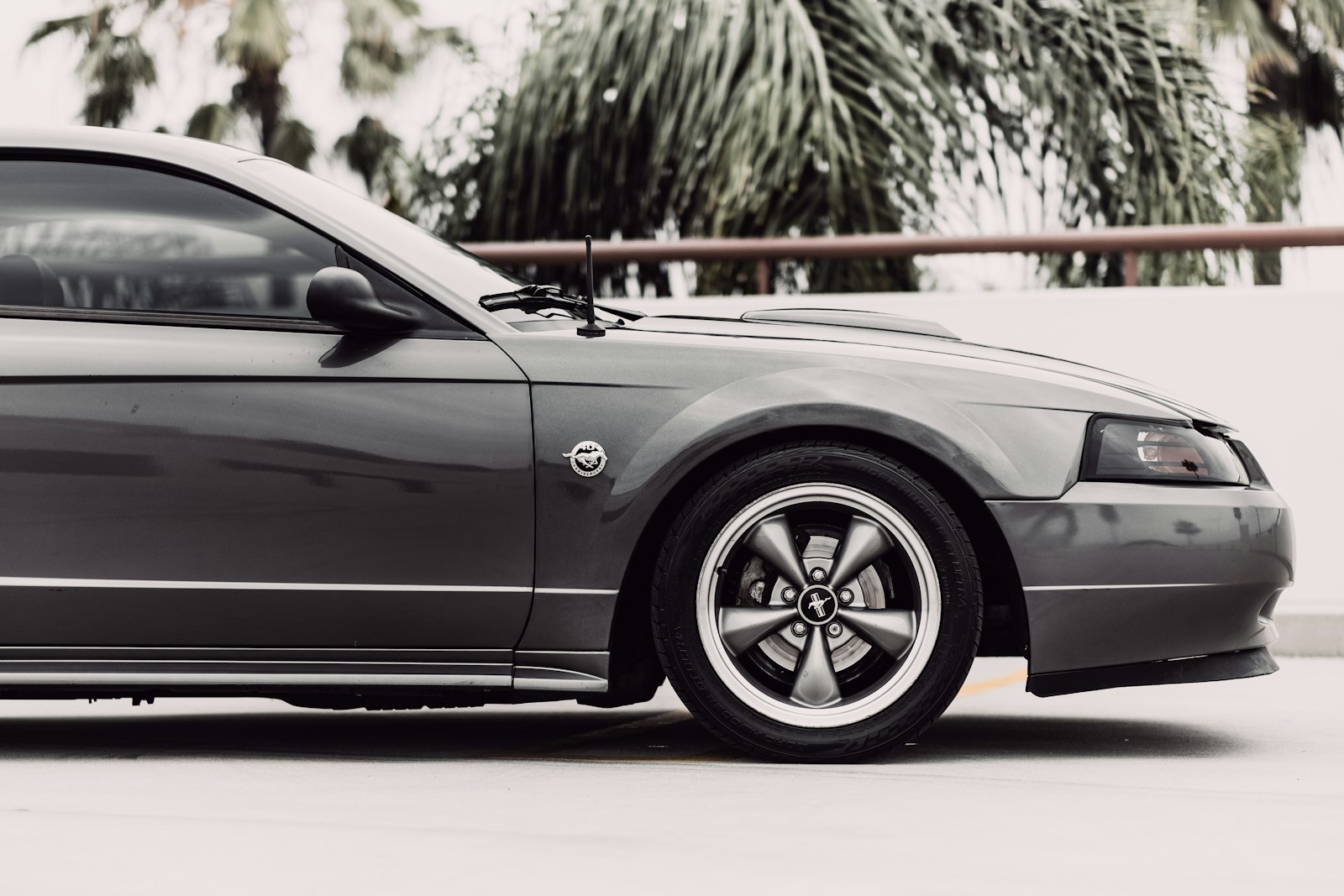
1967-1969 Camaro: What to Inspect Before You Buy
First-gen Camaros turn fifty-something sellers into real estate agents real fast. Here's the inspection list that keeps you from paying 1969 prices for a 1975 rebuild.
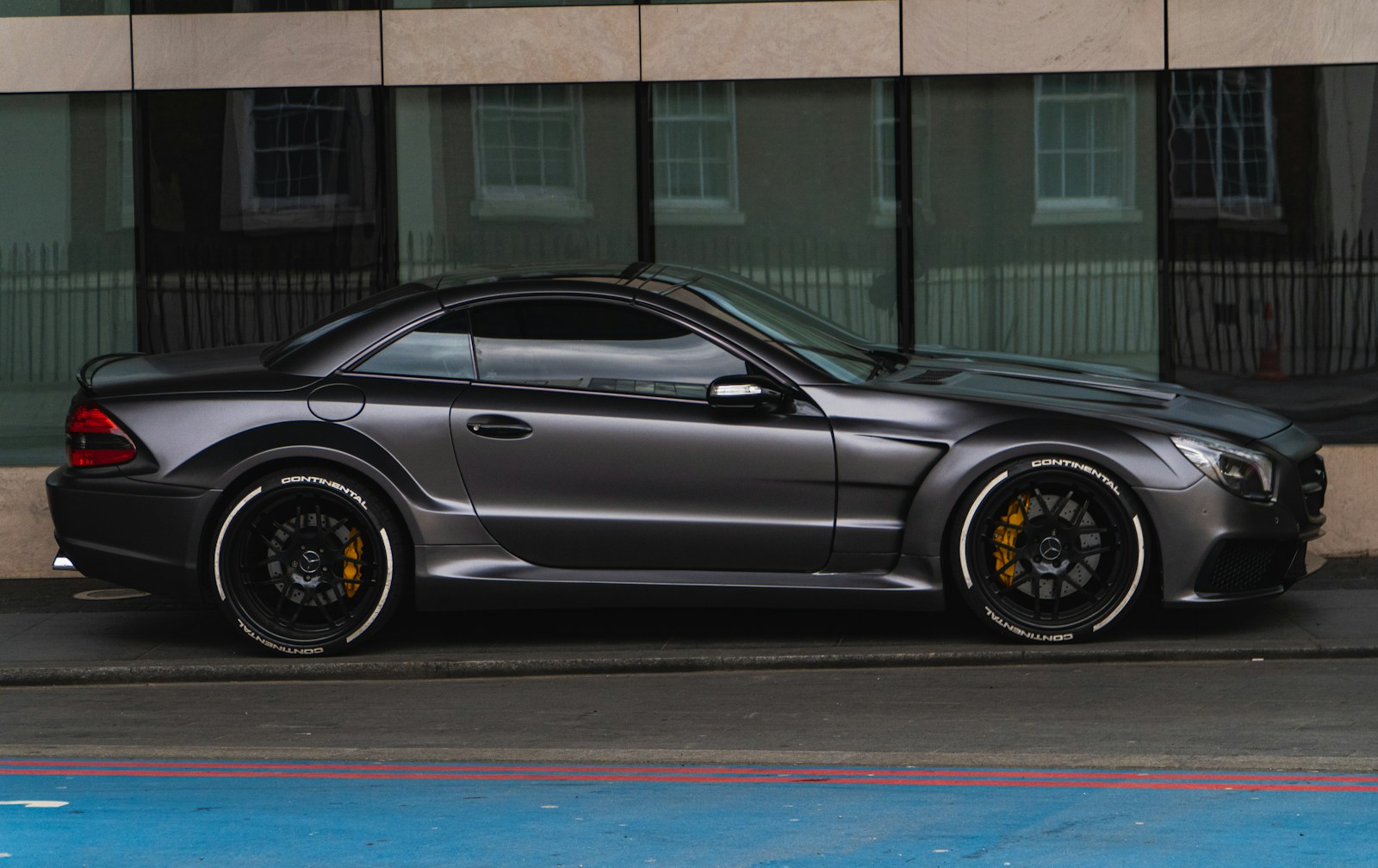
Mustang Fastback vs Coupe: Which One Actually Holds Value
Fastbacks cost double the coupe for the same drivetrain. Sometimes that gap makes sense. Usually it's just panic. Here's the cold version of the money question.
Dodge Charger R/T Buying Guide: The Numbers Behind the Hype
Every clapped-out Charger thinks it's a General Lee with a seven-figure future. The R/T badge means something, but only if the VIN and fender tag agree with the story.